Made to last, made in Edinburgh - rethinking how we furnish our homes

Custom furniture has long had a reputation for being expensive, exclusive, and maybe even a little intimidating – the kind of thing only people with heritage homes and interior designers considered.

But that perception is shifting. More of us are rethinking how we furnish our homes – not because custom suddenly costs less, but because it offers something flat-pack never can: meaning, longevity, and connection.

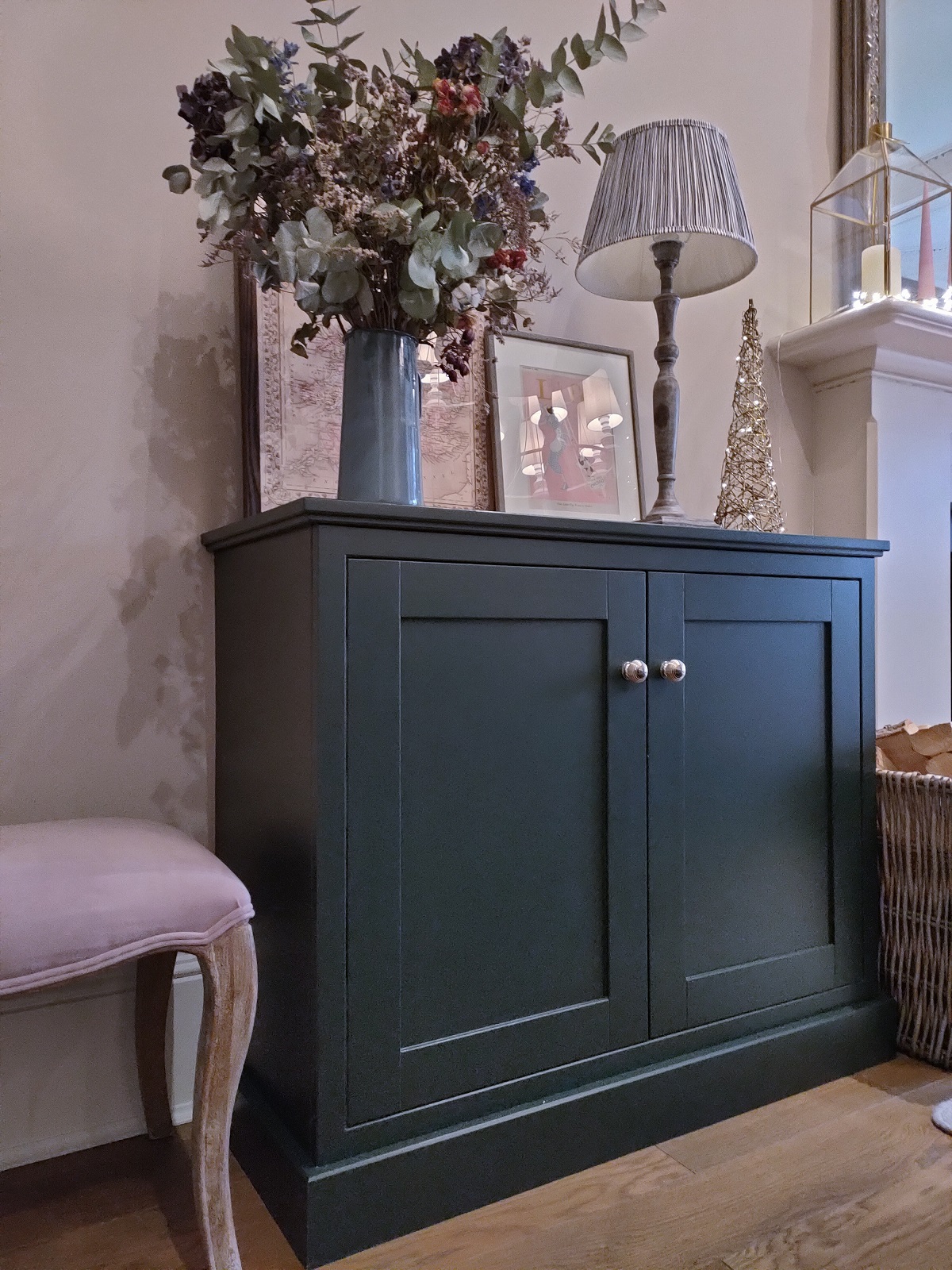
Step into Edinburgh Open Workshop, a shared maker space in the heart of Leith, and you’ll meet the people driving that shift. Here, furniture isn’t mass-produced – it’s crafted thoughtfully, locally, one piece at a time. These resident makers create pieces that don’t just fill a room – they belong in it. And while custom won’t match IKEA on price, it’s not meant to. You’re investing in something that reflects your space, your story, and your values. Something built to last for decades, not just until the next house move.

“It’s not about matching big highstreet retailers on price,” says designer, maker and woodturner Anna Nichols of Aln Furniture. 

“It’s about offering something different: a table that lasts generations, a bookshelf made from a tree that once stood in your garden, a bench that becomes a family heirloom.”

More Than Furniture – It’s a Relationship


A common myth about custom furniture is that you need to arrive with a perfect design brief. In reality, many collaborations start with a discussion. A customer will come in looking for something simple – a set of shelves, a bench to fill a void, a cupboard to house the kids’ boardgames.

They often don’t have a clear idea what they want, but by chatting it through with a designer they help develop a product that far exceeds expectations. Over time, clients return for larger, more personal commissions, working with the same maker who now understands their space and style.

“We see clients coming back over years,” says designer and maker James Birbeck of Birbeck’s Wood. “Because once they’ve worked with a designer they start to build trust, and come to see custom not so much as a luxury, but as something that makes sense.”

This ongoing relationship is part of what makes custom work so valuable. You’re not just buying an object – you’re co-creating something meaningful. It’s the opposite of scrolling through endless product pages and clicking “add to basket.” It’s human, it’s collaborative, and it lasts.

Value That Goes Beyond the Price Tag


We often think nothing of spending hundreds on a weekend away or regularly upgrading the latest piece of tech. But ask someone to spend the same on a coffee table, and hesitation sets in. That’s because we’ve been taught to treat furniture as temporary – functional, but disposable.
Custom furniture challenges that thinking.

While it’s not “cheap,” it is good value. You’re paying for quality materials, local expertise, and the kind of durability flat-pack can’t deliver. A table made from Scottish ash or reclaimed timber will cost more than MDF – but it won’t wobble, warp, or wear out after a few years. These are pieces designed to grow old with you, collecting character, not damage.

You also get control: over the design, the materials, even the story. Some clients bring in wood with sentimental value; others choose reclaimed or FSC-certified timber that aligns with their values. There’s comfort in knowing where your furniture comes from – and where it didn’t come from.

Start Small, Choose Well

Let’s be realistic: you’re not going to furnish your whole home with custom-made pieces. And that’s fine. What matters is choosing one or two items that anchor your space. Maybe it’s a dining table that becomes the heart of your home. A bookshelf that fits a difficult corner perfectly. A bench that’s solid enough to hand down.

“These are the pieces that change how your home feels,” says James. “They’re not just useful – they’re part of your life and your story.”

Not Sure Where to Begin? You Don’t Have to Be


Commissioning custom furniture can feel daunting. But at EOW, you’re not on your own. Makers are used to guiding clients through the process – from fuzzy ideas to finished pieces. You don’t need to know the terminology or have a mood board. You just need to be open to the conversation.

And when you commission a piece, you’re doing more than just buying furniture. You’re investing in local craftsmanship, supporting independent makers, and contributing to a more sustainable, circular economy – one that values quality, creativity, and community over convenience and mass production.

You can also join the furniture-making movement by taking a course and learning to create a piece yourself. There’s something deeply satisfying about using a chair, table, or shelf that you built with your own hands – a daily reminder of what you’re capable of.

So next time you’re tempted by a quick fix, ask yourself: do I want just another thing – or the right thing?

Because the right piece, made by the right hands, will outlast trends and fast furniture – and maybe even you. Custom isn’t just about furniture. It’s about choosing things that matter.

Shopping Basket